.svg?width=185&quality=80&auto=webp&format=auto&cache=true&immutable=true&cache-control=max-age%3D31536000 "Home")


.svg?width=13&quality=80&auto=webp&format=auto&cache=true&immutable=true&cache-control=max-age%3D31536000 "Top Navigation - Sign in - Icon")


Microsoft on Tuesday announced 170 patches affecting 21 product families. Eight of the addressed issues are considered by Microsoft to be of Critical severity, and 18 have a CVSS base score of 8.0 or higher. Three are known to be under active exploit in the wild, and two others have been publicly disclosed.
At patch time, 12 CVEs are judged more likely to be exploited in the next 30 days by the company’s estimation, in addition to the two already detected to be so. Various of this month’s issues are amenable to direct detection by Sophos protections, and we include information on those in a table below.
In addition to the record-breaking patch count (surpassing the total of 159 set in January), there is a substantial set of advisory-only items in this month’s offering. For Edge, there are 14 patches released last week for Chrome that affect Microsoft’s browser. Two more CVEs are submitted by MITRE, including one item (MITRE CVE-2025-54957: Integer overflow in Dolby Digital Plus audio decoder) known to be under exploit in the wild. The Unity Gaming Engine Editor bug that has upended gamers around the world (CVE-2025-59489) touches 30 Microsoft games — though not Xbox consoles, Xbox Cloud Gaming, iOS, or the HoloLens.
Continuing the list of advisories, a Github-reported bug in Mermaid Diagram Tool affecting Visual Studio (CVE-2025-54132) could potentially be triggered either by a malicious attacker or an AI hallucination. Finally, eight CVEs affecting Azure, Entra, or various flavors of Copilot – all Critical-severity issues involved either elevation of privilege or spoofing – are announced as already patched, though little information about them was made available. We have included titles and CVEs for all of the advisory items in Appendix D.
We are as always including at the end of this post additional appendices listing all Microsoft’s patches sorted by severity, by predicted exploitability timeline and CVSS Base score, and by product family. Appendix E provides a breakout of the patches affecting the various Windows Server platforms still in support. This month, we also include a roundup of patches affecting the products leaving support this month, including Windows 10, Office 2016 and 2019, Exchange Server 2016 and 2019, and Visio 2016 and 2019. That information can be found in Appendix F.
By the numbers
- Total CVEs: 170
- Publicly disclosed: 2
- Exploit detected: 3
- Severity
- Critical: 8
- Important: 161
- Moderate: 1
- Impact
- Denial of Service: 11
- Elevation of Privilege: 79
- Information Disclosure: 26
- Remote Code Execution: 31
- Security Feature Bypass: 11
- Spoofing: 11
- Tampering: 1
- CVSS Base score 9.0 or higher: 3
- CVSS Base score 8.0 or greater: 15
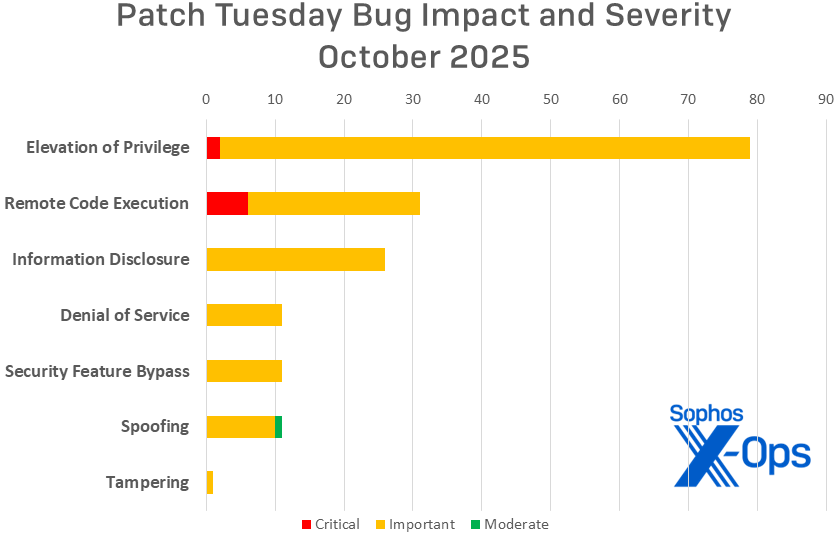
Figure 1: The sheer volume of the October release is remarkable, but there are just six Critical-severity issues – four Remote Code Execution, two Elevation of Privilege
Products
- Windows: 132
- 365: 16
- Office: 16
- Excel: 7
- Azure: 6
- SharePoint: 6
- Exchange: 3
- Configuration Manager: 2
- .NET: 2
- Word: 2
- Access: 1
- ASP.NET: 1
- Defender for Linux: 1
- Dynamics 365: 1
- microsoft/playwright: 1
- PowerPoint: 1
- PowerShell: 1
- SQL: 1
- Visio: 1
- Visual Studio: 1
- Xbox Gaming System: 1
As is our custom for this list, CVEs that apply to more than one product family are counted once for each family they affect. We note, by the way, that CVE names don’t always reflect affected product families closely. In particular, some CVEs names in the Office family may mention products that don’t appear in the list of products affected by the CVE, and vice versa.
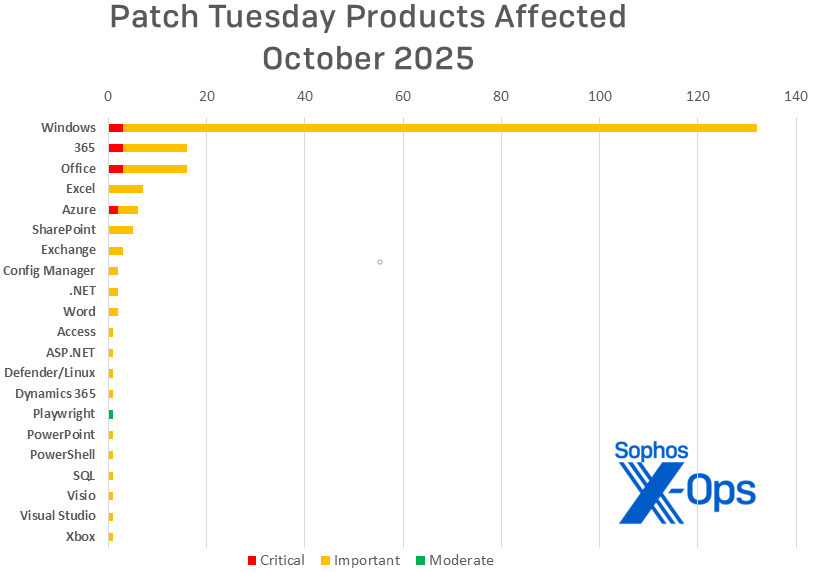
Figure 2: If only Windows CVEs were being released this month and nothing else, it would still be the fourth-largest Patch Tuesday in modern history
Notable October updates
In addition to the issues discussed above, a variety of specific items merit attention.
CVE-2025-24052 — Windows Agere Modem Driver Elevation of Privilege Vulnerability
CVE-2025-24990 — Windows Agere Modem Driver Elevation of Privilege Vulnerability
CVE-2025-47979 — Microsoft Failover Cluster Information Disclosure Vulnerability
CVE-2025-53717 — Windows Virtualization-Based Security (VBS) Enclave Elevation of Privilege Vulnerability
This quartet of Important-severity issues all require a bit of extra effort from administrators, and they reward (?) those who diligently keep their systems up to date year after year. The two modem-driver issues – one is already under active exploit, and the other has been publicly disclosed – affect only the specific Agere Modem driver (ltmdm64.sys), which ships natively in Windows, but the issue itself can be exploited via this vulnerability, even if your systems don’t use that soft-modem driver at all. Microsoft is deleting that driver from all versions of Windows as of this month’s updates, putting a quiet, strange end to tech that was cutting-edge (complete with a high-profile patent lawsuit) a generation ago. Meanwhile, Microsoft’s guidance on the Failover Cluster issue indicates that just patching might not be enough; just in case any sensitive information remains residual in system logs, the company advises administrators change their passwords. Finally, patching the VBS issue necessitated changes to various Virtual Secure Mode components; if you previously deployed the relevant policy a number of months ago, Microsoft has guidance for redeploying using the new policy.
CVE-2025-55340 – Windows Remote Desktop Protocol Security Feature Bypass
CVE-2025-59294 — Windows Taskbar Live Preview Information Disclosure Vulnerability
In a month in which the sheer volume of patches is nearly overwhelming, it can be refreshing to look into issues that hint at great ingenuity to find, replicate, and patch. The Important-severity RDP bug could have been far worse, except for the acrobatics necessary to trigger it: 1) The attacker must have access to a user’s machine; 2) the user must initiate an RDP session, and 3) the attack must be carried out within a certain amount of time from the initiation of the RDP session. Meanwhile, in CVE-2025-39294, exploiting the Important-severity Taskbar Live bug would require an attacker to 1) physically get their hands on a machine after its user has 2) hovered over a taskbar preview and then 3) immediately locked the screen or put the device to sleep. Not a bug that’s likely to see widespread abuse, and its CVSS Base score of 2.1 (!) reflects that, but it’s fascinating to think that it was discovered, re-created by the finders and again in Microsoft’s testing facilities, and ultimately fixed.
CVE-2025-53139 — Windows Hello Security Feature Bypass Vulnerability
There’s not a lot of information available on this Important-severity security feature bypass issue in Microsoft biometric authentication tool, but the note that the problem involves “cleartext transmission of sensitive information” by the tool is enough to inspire priority patching… and perhaps a fresh appreciation of something-you-know authentication options.
CVE-2025-58726 — Windows SMB Server Elevation of Privilege Vulnerability
If receiving over fourteen dozen patches in October has you feeling more tricked than treated, perhaps a Halloween ghost story is in order? This Important-severity elevation of privilege issue in SMB Server requires than an SPN (Service Principal Name) that is registered to an account that no longer exists, or is not in use, be available on the target machine. It’s even spookier when you remember that SPNs are of course used in Kerberos authentication… Kerberos, named for the three-headed canine guardian of the underworld. And if that’s not scary enough for you, three of this month’s other patches (CVE-2025-58379, CVE-2025-59208, CVE-2025-59295) invoke Internet Explorer, surely one of Microsoft’s most persistent poltergeists. Boo!

Figure 3: Microsoft has released patches for 1,023 CVEs in the course of the year’s ten Patch Tuesdays so far. Meanwhile, this is Tampering’s fourth appearance in the 2025 tallies
Sophos protections
| CVE | Sophos Intercept X/Endpoint IPS | Sophos XGS Firewall |
| CVE-2025-24052 | Exp/2524052-A | Exp/2524052-A |
| CVE-2025-55680 | Exp/2555680-A | Exp/2555680-A |
| CVE-2025-55681 | Exp/2555681-A | Exp/2555681-A |
| CVE-2025-55692 | Exp/2555692-A | Exp/2555692-A |
| CVE-2025-55693 | Exp/2555693-A | Exp/2555693-A |
| CVE-2025-55694 | Exp/2555694-A | Exp/2555694-A |
| CVE-2025-58722 | Exp/2558722-A | Exp/2558722-A |
| CVE-2025-59194 | Exp/2559194-A | Exp/2559194-A |
| CVE-2025-59199 | Exp/2559199-A | Exp/2559199-A |
| CVE-2025-59230 | Exp/2559230-A | Exp/2559230-A |
| CVE-2025-59287 | SID:2311778,2311779 | SID:2311778,2311779 |
As you can every month, if you don’t want to wait for your system to pull down Microsoft’s updates itself, you can download them manually from the Windows Update Catalog website. Run the winver.exe tool to determine which build of Windows you’re running, then download the Cumulative Update package for your specific system’s architecture and build number.
Appendix A: Vulnerability Impact and Severity
This is a list of October patches sorted by impact, then sub-sorted by severity. Each list is further arranged by CVE.
Elevation of Privilege (79 CVEs)
| Critical severity | |
| CVE-2025-59291 | Confidential Azure Container Instances Elevation of Privilege Vulnerability |
| CVE-2025-59292 | Azure Compute Gallery Elevation of Privilege Vulnerability |
| Important severity | |
| CVE-2025-24052 | Windows Agere Modem Driver Elevation of Privilege Vulnerability |
| CVE-2025-24990 | Windows Agere Modem Driver Elevation of Privilege Vulnerability |
| CVE-2025-25004 | PowerShell Elevation of Privilege Vulnerability |
| CVE-2025-47989 | Azure Connected Machine Agent Elevation of Privilege Vulnerability |
| CVE-2025-48004 | Microsoft Brokering File System Elevation of Privilege Vulnerability |
| CVE-2025-50152 | Windows Kernel Elevation of Privilege Vulnerability |
| CVE-2025-50174 | Windows Device Association Broker Service Elevation of Privilege Vulnerability |
| CVE-2025-50175 | Windows Digital Media Elevation of Privilege Vulnerability |
| CVE-2025-53150 | Windows Digital Media Elevation of Privilege Vulnerability |
| CVE-2025-53717 | Windows Virtualization-Based Security (VBS) Enclave Elevation of Privilege Vulnerability |
| CVE-2025-53768 | Xbox IStorageService Elevation of Privilege Vulnerability |
| CVE-2025-53782 | Microsoft Exchange Server Elevation of Privilege Vulnerability |
| CVE-2025-55240 | Visual Studio Elevation of Privilege Vulnerability |
| CVE-2025-55247 | .NET Elevation of Privilege Vulnerability |
| CVE-2025-55320 | Configuration Manager Elevation of Privilege Vulnerability |
| CVE-2025-55328 | Windows Hyper-V Elevation of Privilege Vulnerability |
| CVE-2025-55331 | Windows PrintWorkflowUserSvc Elevation of Privilege Vulnerability |
| CVE-2025-55335 | Windows NTFS Elevation of Privilege Vulnerability |
| CVE-2025-55339 | Windows Network Driver Interface Specification Driver Elevation of Privilege Vulnerability |
| CVE-2025-55677 | Windows Device Association Broker Service Elevation of Privilege Vulnerability |
| CVE-2025-55678 | DirectX Graphics Kernel Elevation of Privilege Vulnerability |
| CVE-2025-55680 | Windows Cloud Files Mini Filter Driver Elevation of Privilege Vulnerability |
| CVE-2025-55681 | Desktop Windows Manager Elevation of Privilege Vulnerability |
| CVE-2025-55684 | Windows PrintWorkflowUserSvc Elevation of Privilege Vulnerability |
| CVE-2025-55685 | Windows PrintWorkflowUserSvc Elevation of Privilege Vulnerability |
| CVE-2025-55686 | Windows PrintWorkflowUserSvc Elevation of Privilege Vulnerability |
| CVE-2025-55687 | Windows Resilient File System (ReFS) Elevation of Privilege Vulnerability |
| CVE-2025-55688 | Windows PrintWorkflowUserSvc Elevation of Privilege Vulnerability |
| CVE-2025-55689 | Windows PrintWorkflowUserSvc Elevation of Privilege Vulnerability |
| CVE-2025-55690 | Windows PrintWorkflowUserSvc Elevation of Privilege Vulnerability |
| CVE-2025-55691 | Windows PrintWorkflowUserSvc Elevation of Privilege Vulnerability |
| CVE-2025-55692 | Windows Error Reporting Service Elevation of Privilege Vulnerability |
| CVE-2025-55693 | Windows Kernel Elevation of Privilege Vulnerability |
| CVE-2025-55694 | Windows Error Reporting Service Elevation of Privilege Vulnerability |
| CVE-2025-55696 | NtQueryInformation Token function (ntifs.h) Elevation of Privilege Vulnerability |
| CVE-2025-55697 | Azure Local Elevation of Privilege Vulnerability |
| CVE-2025-55701 | Windows Authentication Elevation of Privilege Vulnerability |
| CVE-2025-58714 | Windows Ancillary Function Driver for WinSock Elevation of Privilege Vulnerability |
| CVE-2025-58715 | Windows Speech Runtime Elevation of Privilege Vulnerability |
| CVE-2025-58716 | Windows Speech Runtime Elevation of Privilege Vulnerability |
| CVE-2025-58719 | Windows Connected Devices Platform Service Elevation of Privilege Vulnerability |
| CVE-2025-58722 | Microsoft DWM Core Library Elevation of Privilege Vulnerability |
| CVE-2025-58724 | Arc Enabled Servers – Azure Connected Machine Agent Elevation of Privilege Vulnerability |
| CVE-2025-58725 | Windows COM+ Event System Service Elevation of Privilege Vulnerability |
| CVE-2025-58726 | Windows SMB Server Elevation of Privilege Vulnerability |
| CVE-2025-58727 | Windows Connected Devices Platform Service Elevation of Privilege Vulnerability |
| CVE-2025-58728 | Windows Bluetooth Service Elevation of Privilege Vulnerability |
| CVE-2025-59187 | Windows Kernel Elevation of Privilege Vulnerability |
| CVE-2025-59189 | Microsoft Brokering File System Elevation of Privilege Vulnerability |
| CVE-2025-59191 | Windows Connected Devices Platform Service Elevation of Privilege Vulnerability |
| CVE-2025-59192 | Storport.sys Driver Elevation of Privilege Vulnerability |
| CVE-2025-59193 | Windows Management Services Elevation of Privilege Vulnerability |
| CVE-2025-59194 | Windows Kernel Elevation of Privilege Vulnerability |
| CVE-2025-59196 | Windows Simple Search and Discovery Protocol (SSDP) Service Elevation of Privilege Vulnerability |
| CVE-2025-59199 | Software Protection Platform (SPP) Elevation of Privilege Vulnerability |
| CVE-2025-59201 | Network Connection Status Indicator (NCSI) Elevation of Privilege Vulnerability |
| CVE-2025-59202 | Windows Remote Desktop Services Elevation of Privilege Vulnerability |
| CVE-2025-59205 | Windows Graphics Component Elevation of Privilege Vulnerability |
| CVE-2025-59206 | Windows Resilient File System (ReFS) Deduplication Service Elevation of Privilege Vulnerability |
| CVE-2025-59207 | Windows Kernel Elevation of Privilege Vulnerability |
| CVE-2025-59210 | Windows Resilient File System (ReFS) Deduplication Service Elevation of Privilege Vulnerability |
| CVE-2025-59213 | Configuration Manager Elevation of Privilege Vulnerability |
| CVE-2025-59230 | Windows Remote Access Connection Manager Elevation of Privilege Vulnerability |
| CVE-2025-59241 | Windows Health and Optimized Experiences Elevation of Privilege Vulnerability |
| CVE-2025-59242 | Windows Ancillary Function Driver for WinSock Elevation of Privilege Vulnerability |
| CVE-2025-59249 | Microsoft Exchange Server Elevation of Privilege Vulnerability |
| CVE-2025-59254 | Microsoft DWM Core Library Elevation of Privilege Vulnerability |
| CVE-2025-59255 | Windows DWM Core Library Elevation of Privilege Vulnerability |
| CVE-2025-59261 | Windows Graphics Component Elevation of Privilege Vulnerability |
| CVE-2025-59275 | Windows Authentication Elevation of Privilege Vulnerability |
| CVE-2025-59277 | Windows Authentication Elevation of Privilege Vulnerability |
| CVE-2025-59278 | Windows Authentication Elevation of Privilege Vulnerability |
| CVE-2025-59281 | Xbox Gaming Services Elevation of Privilege Vulnerability |
| CVE-2025-59285 | Azure Monitor Agent Elevation of Privilege Vulnerability |
| CVE-2025-59289 | Windows Bluetooth Service Elevation of Privilege Vulnerability |
| CVE-2025-59290 | Windows Bluetooth Service Elevation of Privilege Vulnerability |
| CVE-2025-59494 | Azure Monitor Agent Elevation of Privilege Vulnerability |
Remote Code Execution (31 CVEs)
| Critical severity | |
| CVE-2016-9535 | MITRE CVE-2016-9535: LibTIFF Heap Buffer Overflow Vulnerability |
| CVE-2025-49708 | Windows Graphics Component Remote Code Execution Vulnerability |
| CVE-2025-59227 | Microsoft Office Remote Code Execution Vulnerability |
| CVE-2025-59234 | Microsoft Office Remote Code Execution Vulnerability |
| CVE-2025-59236 | Microsoft Excel Remote Code Execution Vulnerability |
| CVE-2025-59287 | Windows Server Update Service (WSUS) Remote Code Execution Vulnerability |
| Important severity | |
| CVE-2025-55326 | Windows Connected Devices Platform Service (Cdpsvc) Remote Code Execution Vulnerability |
| CVE-2025-58718 | Remote Desktop Client Remote Code Execution Vulnerability |
| CVE-2025-58730 | Inbox COM Objects (Global Memory) Remote Code Execution Vulnerability |
| CVE-2025-58731 | Inbox COM Objects (Global Memory) Remote Code Execution Vulnerability |
| CVE-2025-58732 | Inbox COM Objects (Global Memory) Remote Code Execution Vulnerability |
| CVE-2025-58733 | Inbox COM Objects (Global Memory) Remote Code Execution Vulnerability |
| CVE-2025-58734 | Inbox COM Objects (Global Memory) Remote Code Execution Vulnerability |
| CVE-2025-58735 | Inbox COM Objects (Global Memory) Remote Code Execution Vulnerability |
| CVE-2025-58736 | Inbox COM Objects (Global Memory) Remote Code Execution Vulnerability |
| CVE-2025-58737 | Remote Desktop Protocol Remote Code Execution Vulnerability |
| CVE-2025-58738 | Inbox COM Objects (Global Memory) Remote Code Execution Vulnerability |
| CVE-2025-59221 | Microsoft Word Remote Code Execution Vulnerability |
| CVE-2025-59222 | Microsoft Word Remote Code Execution Vulnerability |
| CVE-2025-59223 | Microsoft Excel Remote Code Execution Vulnerability |
| CVE-2025-59224 | Microsoft Excel Remote Code Execution Vulnerability |
| CVE-2025-59225 | Microsoft Excel Remote Code Execution Vulnerability |
| CVE-2025-59226 | Microsoft Office Visio Remote Code Execution Vulnerability |
| CVE-2025-59228 | Microsoft SharePoint Remote Code Execution Vulnerability |
| CVE-2025-59231 | Microsoft Excel Remote Code Execution Vulnerability |
| CVE-2025-59233 | Microsoft Excel Remote Code Execution Vulnerability |
| CVE-2025-59237 | Microsoft SharePoint Remote Code Execution Vulnerability |
| CVE-2025-59238 | Microsoft PowerPoint Remote Code Execution Vulnerability |
| CVE-2025-59243 | Microsoft Excel Remote Code Execution Vulnerability |
| CVE-2025-59282 | Internet Information Services (IIS) Inbox COM Objects (Global Memory) Remote Code Execution Vulnerability |
| CVE-2025-59295 | Windows URL Parsing Remote Code Execution Vulnerability |
Information Disclosure (26 CVEs)
| Important severity | |
| CVE-2025-2884 | Cert CC: CVE-2025-2884 Out-of-Bounds read vulnerability in TCG TPM2.0 reference implementation |
| CVE-2025-47979 | Microsoft Failover Cluster Information Disclosure Vulnerability |
| CVE-2025-55248 | .NET, .NET Framework, and Visual Studio Information Disclosure Vulnerability |
| CVE-2025-55325 | Windows Storage Management Provider Information Disclosure Vulnerability |
| CVE-2025-55336 | Windows Cloud Files Mini Filter Driver Information Disclosure Vulnerability |
| CVE-2025-55676 | Windows USB Video Class System Driver Information Disclosure Vulnerability |
| CVE-2025-55679 | Windows Kernel Information Disclosure Vulnerability |
| CVE-2025-55683 | Windows Kernel Information Disclosure Vulnerability |
| CVE-2025-55695 | Windows WLAN AutoConfig Service Information Disclosure Vulnerability |
| CVE-2025-55699 | Windows Kernel Information Disclosure Vulnerability |
| CVE-2025-55700 | Windows Routing and Remote Access Service (RRAS) Information Disclosure Vulnerability |
| CVE-2025-58717 | Windows Routing and Remote Access Service (RRAS) Information Disclosure Vulnerability |
| CVE-2025-58720 | Windows Cryptographic Services Information Disclosure Vulnerability |
| CVE-2025-59184 | Storage Spaces Direct Information Disclosure Vulnerability |
| CVE-2025-59186 | Windows Kernel Information Disclosure Vulnerability |
| CVE-2025-59188 | Microsoft Failover Cluster Information Disclosure Vulnerability |
| CVE-2025-59197 | Windows ETL Channel Information Disclosure Vulnerability |
| CVE-2025-59203 | Windows State Repository API Server File Information Disclosure Vulnerability |
| CVE-2025-59204 | Windows Management Services Information Disclosure Vulnerability |
| CVE-2025-59209 | Windows Push Notification Core Information Disclosure Vulnerability |
| CVE-2025-59211 | Windows Push Notification Core Information Disclosure Vulnerability |
| CVE-2025-59232 | Microsoft Excel Information Disclosure Vulnerability |
| CVE-2025-59235 | Microsoft Excel Information Disclosure Vulnerability |
| CVE-2025-59258 | Windows Active Directory Federation Services (ADFS) Information Disclosure Vulnerability |
| CVE-2025-59260 | Microsoft Failover Cluster Virtual Driver Information Disclosure Vulnerability |
| CVE-2025-59294 | Windows Taskbar Live Preview Information Disclosure Vulnerability |
Denial of Service (11 CVEs)
| Important severity | |
| CVE-2025-55698 | DirectX Graphics Kernel Denial of Service Vulnerability |
| CVE-2025-58729 | Windows Local Session Manager (LSM) Denial of Service Vulnerability |
| CVE-2025-59190 | Windows Search Service Denial of Service Vulnerability |
| CVE-2025-59195 | Microsoft Graphics Component Denial of Service Vulnerability |
| CVE-2025-59198 | Windows Search Service Denial of Service Vulnerability |
| CVE-2025-59208 | Windows MapUrlToZone Information Disclosure Vulnerability |
| CVE-2025-59229 | Microsoft Office Denial of Service Vulnerability |
| CVE-2025-59253 | Windows Search Service Denial of Service Vulnerability |
| CVE-2025-59257 | Windows Local Session Manager (LSM) Denial of Service Vulnerability |
| CVE-2025-59259 | Windows Local Session Manager (LSM) Denial of Service Vulnerability |
| CVE-2025-59497 | Microsoft Defender for Linux Denial of Service Vulnerability |
Security Feature Bypass (11 CVEs)
| Important severity | |
| CVE-2025-47827 | MITRE CVE-2025-47827: Secure Boot bypass in IGEL OS before 11 |
| CVE-2025-53139 | Windows Hello Security Feature Bypass Vulnerability |
| CVE-2025-55315 | ASP.NET Security Feature Bypass Vulnerability |
| CVE-2025-55330 | Windows BitLocker Security Feature Bypass Vulnerability |
| CVE-2025-55332 | Windows BitLocker Security Feature Bypass Vulnerability |
| CVE-2025-55333 | Windows BitLocker Security Feature Bypass Vulnerability |
| CVE-2025-55334 | Windows Kernel Security Feature Bypass Vulnerability |
| CVE-2025-55337 | Windows BitLocker Security Feature Bypass Vulnerability |
| CVE-2025-55338 | Windows BitLocker Security Feature Bypass Vulnerability |
| CVE-2025-55340 | Windows Remote Desktop Protocol Security Feature Bypass |
| CVE-2025-55682 | Windows BitLocker Security Feature Bypass Vulnerability |
Spoofing (11 CVEs)
| Important severity | |
| CVE-2025-48813 | Windows Confidential Virtual Machines Spoofing Vulnerability |
| CVE-2025-58739 | Microsoft Windows File Explorer Spoofing Vulnerability |
| CVE-2025-59185 | NTLM Hash Disclosure Spoofing Vulnerability |
| CVE-2025-59200 | Data Sharing Service Spoofing Vulnerability |
| CVE-2025-59214 | Microsoft Windows File Explorer Spoofing Vulnerability |
| CVE-2025-59217 | Microsoft Dynamics 365 (on-premises) Cross-site Scripting Vulnerability |
| CVE-2025-59244 | NTLM Hash Disclosure Spoofing Vulnerability |
| CVE-2025-59248 | Microsoft Exchange Server Spoofing Vulnerability |
| CVE-2025-59250 | JDBC Driver for SQL Server Spoofing Vulnerability |
| CVE-2025-59284 | Windows NTLM Spoofing Vulnerability |
| Moderate severity | |
| CVE-2025-59288 | Playwright Spoofing Vulnerability |
Tampering (1 CVE)
| Important severity | |
| CVE-2025-59280 | Windows SMB Client Tampering Vulnerability |
Appendix B: Exploitability and CVSS
This is a list of the October CVEs judged by Microsoft to be more likely to be exploited in the wild within the first 30 days post-release. The list is arranged by CVE.
| Exploitation more likely within the next 30 days | |
| CVE-2025-24052 | Windows Agere Modem Driver Elevation of Privilege Vulnerability |
| CVE-2025-48004 | Microsoft Brokering File System Elevation of Privilege Vulnerability |
| CVE-2025-55676 | Windows USB Video Class System Driver Information Disclosure Vulnerability |
| CVE-2025-55680 | Windows Cloud Files Mini Filter Driver Elevation of Privilege Vulnerability |
| CVE-2025-55681 | Desktop Windows Manager Elevation of Privilege Vulnerability |
| CVE-2025-55692 | Windows Error Reporting Service Elevation of Privilege Vulnerability |
| CVE-2025-55693 | Windows Kernel Elevation of Privilege Vulnerability |
| CVE-2025-55694 | Windows Error Reporting Service Elevation of Privilege Vulnerability |
| CVE-2025-58722 | Microsoft DWM Core Library Elevation of Privilege Vulnerability |
| CVE-2025-59194 | Windows Kernel Elevation of Privilege Vulnerability |
| CVE-2025-59199 | Software Protection Platform (SPP) Elevation of Privilege Vulnerability |
| CVE-2025-59287 | Windows Server Update Service (WSUS) Remote Code Execution Vulnerability |
The CVEs listed below were known to be under active exploit prior to the release of this month’s patches.
| CVE-2025-24990 | Windows Agere Modem Driver Elevation of Privilege Vulnerability |
| CVE-2025-47827 | MITRE CVE-2025-47827: Secure Boot bypass in IGEL OS before 11 |
| CVE-2025-59230 | Windows Remote Access Connection Manager Elevation of Privilege Vulnerability |
These are the October CVEs with a Microsoft-assessed CVSS Base score of 8.0 or higher. They are arranged by score and further sorted by CVE. For more information on how CVSS works, please see our series on patch prioritization schema.
| CVSS Base | CVSS Temporal | CVE | Title |
| 9.9 | 8.6 | CVE-2025-49708 | Windows Graphics Component Remote Code Execution Vulnerability |
| 9.9 | 8.6 | CVE-2025-55315 | ASP.NET Security Feature Bypass Vulnerability |
| 9.8 | 8.5 | CVE-2025-59287 | Windows Server Update Service (WSUS) Remote Code Execution Vulnerability |
| 8.8 | 7.7 | CVE-2025-58715 | Windows Speech Runtime Elevation of Privilege Vulnerability |
| 8.8 | 7.7 | CVE-2025-58716 | Windows Speech Runtime Elevation of Privilege Vulnerability |
| 8.8 | 7.7 | CVE-2025-58718 | Remote Desktop Client Remote Code Execution Vulnerability |
| 8.8 | 7.7 | CVE-2025-59228 | Microsoft SharePoint Remote Code Execution Vulnerability |
| 8.8 | 7.7 | CVE-2025-59237 | Microsoft SharePoint Remote Code Execution Vulnerability |
| 8.8 | 7.7 | CVE-2025-59249 | Microsoft Exchange Server Elevation of Privilege Vulnerability |
| 8.8 | 7.7 | CVE-2025-59295 | Windows URL Parsing Remote Code Execution Vulnerability |
| 8.4 | 7.3 | CVE-2025-53782 | Microsoft Exchange Server Elevation of Privilege Vulnerability |
| 8.4 | 7.3 | CVE-2025-55680 | Windows Cloud Files Mini Filter Driver Elevation of Privilege Vulnerability |
| 8.4 | 7.3 | CVE-2025-59199 | Software Protection Platform (SPP) Elevation of Privilege Vulnerability |
| 8.4 | 7.3 | CVE-2025-59213 | Configuration Manager Elevation of Privilege Vulnerability |
| 8.4 | 7.3 | CVE-2025-59236 | Microsoft Excel Remote Code Execution Vulnerability |
| 8.2 | 7.1 | CVE-2025-59291 | Confidential Azure Container Instances Elevation of Privilege Vulnerability |
| 8.2 | 7.1 | CVE-2025-59292 | Azure Compute Gallery Elevation of Privilege Vulnerability |
| 8.1 | 7.1 | CVE-2025-59250 | JDBC Driver for SQL Server Spoofing Vulnerability |
Appendix C: Products Affected
This is a list of October’s patches sorted by product family, then sub-sorted by severity. Each list is further arranged by CVE. Patches that are shared among multiple product families are listed multiple times, once for each product family. Certain significant issues for which advisories have been issued are covered in Appendix D, and issues affecting Windows Server are further sorted in Appendix E. All CVE titles are accurate as made available by Microsoft; for further information on why certain products may appear in titles and not product families (or vice versa), please consult Microsoft.
Windows (132 CVEs)
| Critical severity | |
| CVE-2016-9535 | MITRE CVE-2016-9535: LibTIFF Heap Buffer Overflow Vulnerability |
| CVE-2025-49708 | Windows Graphics Component Remote Code Execution Vulnerability |
| CVE-2025-59287 | Windows Server Update Service (WSUS) Remote Code Execution Vulnerability |
| Important severity | |
| CVE-2025-2884 | Cert CC: CVE-2025-2884 Out-of-Bounds read vulnerability in TCG TPM2.0 reference implementation |
| CVE-2025-24052 | Windows Agere Modem Driver Elevation of Privilege Vulnerability |
| CVE-2025-24990 | Windows Agere Modem Driver Elevation of Privilege Vulnerability |
| CVE-2025-25004 | PowerShell Elevation of Privilege Vulnerability |
| CVE-2025-47979 | Microsoft Failover Cluster Information Disclosure Vulnerability |
| CVE-2025-48004 | Microsoft Brokering File System Elevation of Privilege Vulnerability |
| CVE-2025-48813 | Windows Confidential Virtual Machines Spoofing Vulnerability |
| CVE-2025-50152 | Windows Kernel Elevation of Privilege Vulnerability |
| CVE-2025-50174 | Windows Device Association Broker Service Elevation of Privilege Vulnerability |
| CVE-2025-50175 | Windows Digital Media Elevation of Privilege Vulnerability |
| CVE-2025-53139 | Windows Hello Security Feature Bypass Vulnerability |
| CVE-2025-53150 | Windows Digital Media Elevation of Privilege Vulnerability |
| CVE-2025-53717 | Windows Virtualization-Based Security (VBS) Enclave Elevation of Privilege Vulnerability |
| CVE-2025-53768 | Xbox IStorageService Elevation of Privilege Vulnerability |
| CVE-2025-55325 | Windows Storage Management Provider Information Disclosure Vulnerability |
| CVE-2025-55326 | Windows Connected Devices Platform Service (Cdpsvc) Remote Code Execution Vulnerability |
| CVE-2025-55328 | Windows Hyper-V Elevation of Privilege Vulnerability |
| CVE-2025-55330 | Windows BitLocker Security Feature Bypass Vulnerability |
| CVE-2025-55331 | Windows PrintWorkflowUserSvc Elevation of Privilege Vulnerability |
| CVE-2025-55332 | Windows BitLocker Security Feature Bypass Vulnerability |
| CVE-2025-55333 | Windows BitLocker Security Feature Bypass Vulnerability |
| CVE-2025-55334 | Windows Kernel Security Feature Bypass Vulnerability |
| CVE-2025-55335 | Windows NTFS Elevation of Privilege Vulnerability |
| CVE-2025-55336 | Windows Cloud Files Mini Filter Driver Information Disclosure Vulnerability |
| CVE-2025-55337 | Windows BitLocker Security Feature Bypass Vulnerability |
| CVE-2025-55338 | Windows BitLocker Security Feature Bypass Vulnerability |
| CVE-2025-55339 | Windows Network Driver Interface Specification Driver Elevation of Privilege Vulnerability |
| CVE-2025-55340 | Windows Remote Desktop Protocol Security Feature Bypass |
| CVE-2025-55676 | Windows USB Video Class System Driver Information Disclosure Vulnerability |
| CVE-2025-55677 | Windows Device Association Broker Service Elevation of Privilege Vulnerability |
| CVE-2025-55678 | DirectX Graphics Kernel Elevation of Privilege Vulnerability |
| CVE-2025-55679 | Windows Kernel Information Disclosure Vulnerability |
| CVE-2025-55680 | Windows Cloud Files Mini Filter Driver Elevation of Privilege Vulnerability |
| CVE-2025-55681 | Desktop Windows Manager Elevation of Privilege Vulnerability |
| CVE-2025-55682 | Windows BitLocker Security Feature Bypass Vulnerability |
| CVE-2025-55683 | Windows Kernel Information Disclosure Vulnerability |
| CVE-2025-55684 | Windows PrintWorkflowUserSvc Elevation of Privilege Vulnerability |
| CVE-2025-55685 | Windows PrintWorkflowUserSvc Elevation of Privilege Vulnerability |
| CVE-2025-55686 | Windows PrintWorkflowUserSvc Elevation of Privilege Vulnerability |
| CVE-2025-55687 | Windows Resilient File System (ReFS) Elevation of Privilege Vulnerability |
| CVE-2025-55688 | Windows PrintWorkflowUserSvc Elevation of Privilege Vulnerability |
| CVE-2025-55689 | Windows PrintWorkflowUserSvc Elevation of Privilege Vulnerability |
| CVE-2025-55690 | Windows PrintWorkflowUserSvc Elevation of Privilege Vulnerability |
| CVE-2025-55691 | Windows PrintWorkflowUserSvc Elevation of Privilege Vulnerability |
| CVE-2025-55692 | Windows Error Reporting Service Elevation of Privilege Vulnerability |
| CVE-2025-55693 | Windows Kernel Elevation of Privilege Vulnerability |
| CVE-2025-55694 | Windows Error Reporting Service Elevation of Privilege Vulnerability |
| CVE-2025-55695 | Windows WLAN AutoConfig Service Information Disclosure Vulnerability |
| CVE-2025-55696 | NtQueryInformation Token function (ntifs.h) Elevation of Privilege Vulnerability |
| CVE-2025-55697 | Azure Local Elevation of Privilege Vulnerability |
| CVE-2025-55698 | DirectX Graphics Kernel Denial of Service Vulnerability |
| CVE-2025-55699 | Windows Kernel Information Disclosure Vulnerability |
| CVE-2025-55700 | Windows Routing and Remote Access Service (RRAS) Information Disclosure Vulnerability |
| CVE-2025-55701 | Windows Authentication Elevation of Privilege Vulnerability |
| CVE-2025-58714 | Windows Ancillary Function Driver for WinSock Elevation of Privilege Vulnerability |
| CVE-2025-58715 | Windows Speech Runtime Elevation of Privilege Vulnerability |
| CVE-2025-58716 | Windows Speech Runtime Elevation of Privilege Vulnerability |
| CVE-2025-58717 | Windows Routing and Remote Access Service (RRAS) Information Disclosure Vulnerability |
| CVE-2025-58718 | Remote Desktop Client Remote Code Execution Vulnerability |
| CVE-2025-58719 | Windows Connected Devices Platform Service Elevation of Privilege Vulnerability |
| CVE-2025-58720 | Windows Cryptographic Services Information Disclosure Vulnerability |
| CVE-2025-58722 | Microsoft DWM Core Library Elevation of Privilege Vulnerability |
| CVE-2025-58725 | Windows COM+ Event System Service Elevation of Privilege Vulnerability |
| CVE-2025-58726 | Windows SMB Server Elevation of Privilege Vulnerability |
| CVE-2025-58727 | Windows Connected Devices Platform Service Elevation of Privilege Vulnerability |
| CVE-2025-58728 | Windows Bluetooth Service Elevation of Privilege Vulnerability |
| CVE-2025-58729 | Windows Local Session Manager (LSM) Denial of Service Vulnerability |
| CVE-2025-58730 | Inbox COM Objects (Global Memory) Remote Code Execution Vulnerability |
| CVE-2025-58731 | Inbox COM Objects (Global Memory) Remote Code Execution Vulnerability |
| CVE-2025-58732 | Inbox COM Objects (Global Memory) Remote Code Execution Vulnerability |
| CVE-2025-58733 | Inbox COM Objects (Global Memory) Remote Code Execution Vulnerability |
| CVE-2025-58734 | Inbox COM Objects (Global Memory) Remote Code Execution Vulnerability |
| CVE-2025-58735 | Inbox COM Objects (Global Memory) Remote Code Execution Vulnerability |
| CVE-2025-58736 | Inbox COM Objects (Global Memory) Remote Code Execution Vulnerability |
| CVE-2025-58737 | Remote Desktop Protocol Remote Code Execution Vulnerability |
| CVE-2025-58738 | Inbox COM Objects (Global Memory) Remote Code Execution Vulnerability |
| CVE-2025-58739 | Microsoft Windows File Explorer Spoofing Vulnerability |
| CVE-2025-59184 | Storage Spaces Direct Information Disclosure Vulnerability |
| CVE-2025-59185 | NTLM Hash Disclosure Spoofing Vulnerability |
| CVE-2025-59186 | Windows Kernel Information Disclosure Vulnerability |
| CVE-2025-59187 | Windows Kernel Elevation of Privilege Vulnerability |
| CVE-2025-59188 | Microsoft Failover Cluster Information Disclosure Vulnerability |
| CVE-2025-59189 | Microsoft Brokering File System Elevation of Privilege Vulnerability |
| CVE-2025-59190 | Windows Search Service Denial of Service Vulnerability |
| CVE-2025-59191 | Windows Connected Devices Platform Service Elevation of Privilege Vulnerability |
| CVE-2025-59192 | Storport.sys Driver Elevation of Privilege Vulnerability |
| CVE-2025-59193 | Windows Management Services Elevation of Privilege Vulnerability |
| CVE-2025-59194 | Windows Kernel Elevation of Privilege Vulnerability |
| CVE-2025-59195 | Microsoft Graphics Component Denial of Service Vulnerability |
| CVE-2025-59196 | Windows Simple Search and Discovery Protocol (SSDP) Service Elevation of Privilege Vulnerability |
| CVE-2025-59197 | Windows ETL Channel Information Disclosure Vulnerability |
| CVE-2025-59198 | Windows Search Service Denial of Service Vulnerability |
| CVE-2025-59199 | Software Protection Platform (SPP) Elevation of Privilege Vulnerability |
| CVE-2025-59200 | Data Sharing Service Spoofing Vulnerability |
| CVE-2025-59201 | Network Connection Status Indicator (NCSI) Elevation of Privilege Vulnerability |
| CVE-2025-59202 | Windows Remote Desktop Services Elevation of Privilege Vulnerability |
| CVE-2025-59203 | Windows State Repository API Server File Information Disclosure Vulnerability |
| CVE-2025-59204 | Windows Management Services Information Disclosure Vulnerability |
| CVE-2025-59205 | Windows Graphics Component Elevation of Privilege Vulnerability |
| CVE-2025-59206 | Windows Resilient File System (ReFS) Deduplication Service Elevation of Privilege Vulnerability |
| CVE-2025-59207 | Windows Kernel Elevation of Privilege Vulnerability |
| CVE-2025-59208 | Windows MapUrlToZone Information Disclosure Vulnerability |
| CVE-2025-59209 | Windows Push Notification Core Information Disclosure Vulnerability |
| CVE-2025-59210 | Windows Resilient File System (ReFS) Deduplication Service Elevation of Privilege Vulnerability |
| CVE-2025-59211 | Windows Push Notification Core Information Disclosure Vulnerability |
| CVE-2025-59214 | Microsoft Windows File Explorer Spoofing Vulnerability |
| CVE-2025-59230 | Windows Remote Access Connection Manager Elevation of Privilege Vulnerability |
| CVE-2025-59241 | Windows Health and Optimized Experiences Elevation of Privilege Vulnerability |
| CVE-2025-59242 | Windows Ancillary Function Driver for WinSock Elevation of Privilege Vulnerability |
| CVE-2025-59244 | NTLM Hash Disclosure Spoofing Vulnerability |
| CVE-2025-59253 | Windows Search Service Denial of Service Vulnerability |
| CVE-2025-59254 | Microsoft DWM Core Library Elevation of Privilege Vulnerability |
| CVE-2025-59255 | Windows DWM Core Library Elevation of Privilege Vulnerability |
| CVE-2025-59257 | Windows Local Session Manager (LSM) Denial of Service Vulnerability |
| CVE-2025-59258 | Windows Active Directory Federation Services (ADFS) Information Disclosure Vulnerability |
| CVE-2025-59259 | Windows Local Session Manager (LSM) Denial of Service Vulnerability |
| CVE-2025-59260 | Microsoft Failover Cluster Virtual Driver Information Disclosure Vulnerability |
| CVE-2025-59261 | Windows Graphics Component Elevation of Privilege Vulnerability |
| CVE-2025-59275 | Windows Authentication Elevation of Privilege Vulnerability |
| CVE-2025-59277 | Windows Authentication Elevation of Privilege Vulnerability |
| CVE-2025-59278 | Windows Authentication Elevation of Privilege Vulnerability |
| CVE-2025-59280 | Windows SMB Client Tampering Vulnerability |
| CVE-2025-59282 | Internet Information Services (IIS) Inbox COM Objects (Global Memory) Remote Code Execution Vulnerability |
| CVE-2025-59284 | Windows NTLM Spoofing Vulnerability |
| CVE-2025-59289 | Windows Bluetooth Service Elevation of Privilege Vulnerability |
| CVE-2025-59290 | Windows Bluetooth Service Elevation of Privilege Vulnerability |
| CVE-2025-59294 | Windows Taskbar Live Preview Information Disclosure Vulnerability |
| CVE-2025-59295 | Windows URL Parsing Remote Code Execution Vulnerability |
365 (16 CVEs)
| Critical severity | |
| CVE-2025-59227 | Microsoft Office Remote Code Execution Vulnerability |
| CVE-2025-59234 | Microsoft Office Remote Code Execution Vulnerability |
| CVE-2025-59236 | Microsoft Excel Remote Code Execution Vulnerability |
| Important severity | |
| CVE-2025-59221 | Microsoft Word Remote Code Execution Vulnerability |
| CVE-2025-59222 | Microsoft Word Remote Code Execution Vulnerability |
| CVE-2025-59223 | Microsoft Excel Remote Code Execution Vulnerability |
| CVE-2025-59224 | Microsoft Excel Remote Code Execution Vulnerability |
| CVE-2025-59225 | Microsoft Excel Remote Code Execution Vulnerability |
| CVE-2025-59226 | Microsoft Office Visio Remote Code Execution Vulnerability |
| CVE-2025-59229 | Microsoft Office Denial of Service Vulnerability |
| CVE-2025-59231 | Microsoft Excel Remote Code Execution Vulnerability |
| CVE-2025-59232 | Microsoft Excel Information Disclosure Vulnerability |
| CVE-2025-59233 | Microsoft Excel Remote Code Execution Vulnerability |
| CVE-2025-59235 | Microsoft Excel Information Disclosure Vulnerability |
| CVE-2025-59238 | Microsoft PowerPoint Remote Code Execution Vulnerability |
| CVE-2025-59243 | Microsoft Excel Remote Code Execution Vulnerability |
Office (16 CVEs)
| Critical severity | |
| CVE-2025-59227 | Microsoft Office Remote Code Execution Vulnerability |
| CVE-2025-59234 | Microsoft Office Remote Code Execution Vulnerability |
| CVE-2025-59236 | Microsoft Excel Remote Code Execution Vulnerability |
| Important severity | |
| CVE-2025-59221 | Microsoft Word Remote Code Execution Vulnerability |
| CVE-2025-59222 | Microsoft Word Remote Code Execution Vulnerability |
| CVE-2025-59223 | Microsoft Excel Remote Code Execution Vulnerability |
| CVE-2025-59224 | Microsoft Excel Remote Code Execution Vulnerability |
| CVE-2025-59225 | Microsoft Excel Remote Code Execution Vulnerability |
| CVE-2025-59226 | Microsoft Office Visio Remote Code Execution Vulnerability |
| CVE-2025-59229 | Microsoft Office Denial of Service Vulnerability |
| CVE-2025-59231 | Microsoft Excel Remote Code Execution Vulnerability |
| CVE-2025-59232 | Microsoft Excel Information Disclosure Vulnerability |
| CVE-2025-59233 | Microsoft Excel Remote Code Execution Vulnerability |
| CVE-2025-59235 | Microsoft Excel Information Disclosure Vulnerability |
| CVE-2025-59238 | Microsoft PowerPoint Remote Code Execution Vulnerability |
| CVE-2025-59243 | Microsoft Excel Remote Code Execution Vulnerability |
Excel (7 CVEs)
| Important severity | |
| CVE-2025-59223 | Microsoft Excel Remote Code Execution Vulnerability |
| CVE-2025-59224 | Microsoft Excel Remote Code Execution Vulnerability |
| CVE-2025-59225 | Microsoft Excel Remote Code Execution Vulnerability |
| CVE-2025-59231 | Microsoft Excel Remote Code Execution Vulnerability |
| CVE-2025-59232 | Microsoft Excel Information Disclosure Vulnerability |
| CVE-2025-59233 | Microsoft Excel Remote Code Execution Vulnerability |
| CVE-2025-59235 | Microsoft Excel Information Disclosure Vulnerability |
Azure (6 CVEs)
| Critical severity | |
| CVE-2025-59291 | Confidential Azure Container Instances Elevation of Privilege Vulnerability |
| CVE-2025-59292 | Azure Compute Gallery Elevation of Privilege Vulnerability |
| Important severity | |
| CVE-2025-47989 | Azure Connected Machine Agent Elevation of Privilege Vulnerability |
| CVE-2025-58724 | Arc Enabled Servers – Azure Connected Machine Agent Elevation of Privilege Vulnerability |
| CVE-2025-59285 | Azure Monitor Agent Elevation of Privilege Vulnerability |
| CVE-2025-59494 | Azure Monitor Agent Elevation of Privilege Vulnerability |
SharePoint (6 CVEs)
| Important severity | |
| CVE-2025-59221 | Microsoft Word Remote Code Execution Vulnerability |
| CVE-2025-59222 | Microsoft Word Remote Code Execution Vulnerability |
| CVE-2025-59228 | Microsoft SharePoint Remote Code Execution Vulnerability |
| CVE-2025-59232 | Microsoft Excel Information Disclosure Vulnerability |
| CVE-2025-59235 | Microsoft Excel Information Disclosure Vulnerability |
| CVE-2025-59237 | Microsoft SharePoint Remote Code Execution Vulnerability |
Exchange (3 CVEs)
| Important severity | |
| CVE-2025-53782 | Microsoft Exchange Server Elevation of Privilege Vulnerability |
| CVE-2025-59248 | Microsoft Exchange Server Spoofing Vulnerability |
| CVE-2025-59249 | Microsoft Exchange Server Elevation of Privilege Vulnerability |
Configuration Manager (2 CVEs)
| Important severity | |
| CVE-2025-55320 | Configuration Manager Elevation of Privilege Vulnerability |
| CVE-2025-59213 | Configuration Manager Elevation of Privilege Vulnerability |
.NET (2 CVEs)
| Important severity | |
| CVE-2025-55247 | .NET Elevation of Privilege Vulnerability |
| CVE-2025-55248 | .NET, .NET Framework, and Visual Studio Information Disclosure Vulnerability |
Visual Studio (2 CVEs)
| Important severity | |
| CVE-2025-55248 | .NET, .NET Framework, and Visual Studio Information Disclosure Vulnerability |
| CVE-2025-55315 | ASP.NET Security Feature Bypass Vulnerability |
Word (2 CVEs)
| Important severity | |
| CVE-2025-59221 | Microsoft Word Remote Code Execution Vulnerability |
| CVE-2025-59222 | Microsoft Word Remote Code Execution Vulnerability |
Access (1 CVE)
| Important severity | |
| CVE-2025-59232 | Microsoft Excel Information Disclosure Vulnerability |
ASP.NET (1 CVE)
| Important severity | |
| CVE-2025-55315 | ASP.NET Security Feature Bypass Vulnerability |
Defender for Linux (1 CVE)
| Important severity | |
| CVE-2025-59497 | Microsoft Defender for Linux Denial of Service Vulnerability |
Dynamics 365 (1 CVE)
| Important severity | |
| CVE-2025-59217 | Microsoft Dynamics 365 (on-premises) Cross-site Scripting Vulnerability |
microsoft/playwright (1 CVE)
| Important severity | |
| CVE-2025-59288 | Playwright Spoofing Vulnerability |
PowerPoint (1 CVE)
| Important severity | |
| CVE-2025-59238 | Microsoft PowerPoint Remote Code Execution Vulnerability |
PowerShell (1 CVE)
| Important severity | |
| CVE-2025-25004 | PowerShell Elevation of Privilege Vulnerability |
SQL (1 CVE)
| Important severity | |
| CVE-2025-59250 | JDBC Driver for SQL Server Spoofing Vulnerability |
Visio (1 CVE)
| Important severity | |
| CVE-2025-59226 | Microsoft Office Visio Remote Code Execution Vulnerability |
Xbox (1 CVE)
| Important severity | |
| CVE-2025-59281 | Xbox Gaming Services Elevation of Privilege Vulnerability |
Appendix D: Advisories and Other Products
There are 14 Edge-related advisories in October’s release, all of which originated with Chrome.
| CVE-2025-11205 | Chromium: CVE-2025-11205 Heap buffer overflow in WebGPU |
| CVE-2025-11206 | Chromium: CVE-2025-11206 Heap buffer overflow in Video |
| CVE-2025-11207 | Chromium: CVE-2025-11207 Side-channel information leakage in Storage |
| CVE-2025-11208 | Chromium: CVE-2025-11208 Inappropriate implementation in Media |
| CVE-2025-11209 | Chromium: CVE-2025-11209 Inappropriate implementation in Omnibox |
| CVE-2025-11210 | Chromium: CVE-2025-11210 Side-channel information leakage in Tab |
| CVE-2025-11211 | Chromium: CVE-2025-11211 Out of bounds read in Media |
| CVE-2025-11212 | Chromium: CVE-2025-11212 Inappropriate implementation in Media |
| CVE-2025-11213 | Chromium: CVE-2025-11213 Inappropriate implementation in Omnibox |
| CVE-2025-11215 | Chromium: CVE-2025-11215 Off by one error in V8 |
| CVE-2025-11216 | Chromium: CVE-2025-11216 Inappropriate implementation in Storage |
| CVE-2025-11219 | Chromium: CVE-2025-11219 Use after free in V8 |
| CVE-2025-11458 | Chromium: CVE-2025-11458 Heap buffer overflow in Sync |
| CVE-2025-11460 | Chromium: CVE-2025-11460 Use after free in Storage |
This month also includes the periodic Servicing Stack Updates, ADV990001.
Three issues in this month’s release were brought to Microsoft’s attention by external entities and merit advisory information. The Dolby issue is known to be under active exploit in the wild.
| CVE-2025-54132 | GitHub CVE-2025-54132: Arbitrary Image Fetch in Mermaid Diagram Tool |
| CVE-2025-54957 | MITRE CVE-2025-54957: Integer overflow in Dolby Digital Plus audio decoder |
| CVE-2025-59489 | MITRE: CVE-2025-59489 Unity Gaming Engine Editor vulnerability |
Finally, Microsoft announced that eight more Critical-severity issues, affecting Azure, Entra, and Copilot, were patched prior to the Tuesday release:
| CVE-2025-55321 | Azure Monitor Log Analytics Spoofing Vulnerability |
| CVE-2025-59218 | Azure Entra ID Elevation of Privilege Vulnerability |
| CVE-2025-59246 | Azure Entra ID Elevation of Privilege Vulnerability |
| CVE-2025-59247 | Azure PlayFab Elevation of Privilege Vulnerability |
| CVE-2025-59252 | M365 Copilot Spoofing Vulnerability |
| CVE-2025-59271 | Redis Enterprise Elevation of Privilege Vulnerability |
| CVE-2025-59272 | Copilot Spoofing Vulnerability |
| CVE-2025-59286 | Copilot Spoofing Vulnerability |
Appendix E: Affected Windows Server versions
This is a table of the 129 CVEs in the October release affecting Windows Server versions 2008 through 2025. The table differentiates among major versions of the platform but doesn’t go into deeper detail (eg., Server Core). Critical-severity issues are marked in red; an “x” indicates that the CVE does not apply to that version. Administrators are encouraged to use this appendix as a starting point to ascertain their specific exposure, as each reader’s situation, especially as it concerns products out of mainstream support, will vary. For specific Knowledge Base numbers, please consult Microsoft.
For October, we have included in the chart the Windows Server information for CVE-2025-55248, which is a .NET / Visual Studio patch. The issue affects various versions of the .NET Framework, which in turn involves specific versions of Windows Server. We have marked this specific row in green. We encourage anyone who believes they are directly affected by this patch to consult Microsoft’s information on the CVE to determine specific exposure. (We did not count this CVE in the October total for Windows.)
| CVE | S-08 | 8r2 | S-12 | 12r2 | S-16 | S-19 | S-22 | 23h2 | S-25 |
| CVE-2016-9535 | ■ | ■ | ■ | ■ | ■ | ■ | ■ | ■ | ■ |
| CVE-2025-24052 | ■ | ■ | ■ | ■ | ■ | ■ | ■ | ■ | ■ |
| CVE-2025-24990 | ■ | ■ | ■ | ■ | ■ | ■ | ■ | ■ | ■ |
| CVE-2025-25004 | ■ | ■ | ■ | ■ | ■ | ■ | ■ | ■ | ■ |
| CVE-2025-47979 | × | × | × | × | × | × | × | ■ | ■ |
| CVE-2025-48004 | × | × | × | × | × | × | × | ■ | ■ |
| CVE-2025-48813 | × | × | × | × | × | ■ | ■ | ■ | ■ |
| CVE-2025-49708 | × | × | × | × | × | ■ | ■ | ■ | ■ |
| CVE-2025-50152 | × | × | × | × | ■ | ■ | ■ | ■ | ■ |
| CVE-2025-50174 | × | × | × | × | × | × | × | × | ■ |
| CVE-2025-50175 | × | × | × | × | × | ■ | ■ | ■ | ■ |
| CVE-2025-53139 | × | × | × | × | × | × | × | × | ■ |
| CVE-2025-53150 | × | × | × | × | × | ■ | × | ■ | ■ |
| CVE-2025-55248 | ■ | ■ | ■ | ■ | ■ | ■ | ■ | ■ | × |
| CVE-2025-55325 | × | × | × | × | ■ | ■ | ■ | ■ | ■ |
| CVE-2025-55326 | × | × | × | × | × | ■ | ■ | ■ | ■ |
| CVE-2025-55328 | × | × | × | × | ■ | ■ | ■ | ■ | ■ |
| CVE-2025-55330 | × | × | × | × | × | × | × | ■ | ■ |
| CVE-2025-55331 | × | × | × | × | × | × | ■ | ■ | ■ |
| CVE-2025-55332 | × | × | × | × | × | ■ | ■ | ■ | ■ |
| CVE-2025-55333 | × | × | × | × | ■ | ■ | ■ | ■ | ■ |
| CVE-2025-55335 | ■ | ■ | ■ | ■ | ■ | ■ | ■ | ■ | ■ |
| CVE-2025-55336 | × | × | × | × | × | ■ | ■ | ■ | ■ |
| CVE-2025-55337 | × | × | × | × | × | × | × | × | ■ |
| CVE-2025-55338 | × | × | × | × | ■ | ■ | ■ | ■ | ■ |
| CVE-2025-55339 | × | × | × | × | × | × | ■ | ■ | ■ |
| CVE-2025-55340 | × | × | × | × | × | × | ■ | ■ | ■ |
| CVE-2025-55676 | × | × | × | × | × | × | × | × | ■ |
| CVE-2025-55677 | × | × | × | × | × | × | × | × | ■ |
| CVE-2025-55678 | × | ■ | ■ | ■ | ■ | ■ | ■ | ■ | ■ |
| CVE-2025-55679 | × | × | × | × | × | ■ | ■ | ■ | ■ |
| CVE-2025-55680 | × | × | × | × | × | ■ | ■ | ■ | ■ |
| CVE-2025-55681 | × | × | × | × | × | ■ | ■ | ■ | ■ |
| CVE-2025-55682 | × | × | × | × | × | × | × | × | ■ |
| CVE-2025-55683 | × | × | × | × | ■ | ■ | ■ | ■ | ■ |
| CVE-2025-55684 | × | × | × | × | × | × | × | × | ■ |
| CVE-2025-55685 | × | × | × | × | × | × | ■ | ■ | ■ |
| CVE-2025-55686 | × | × | × | × | × | × | ■ | ■ | ■ |
| CVE-2025-55687 | × | × | ■ | ■ | ■ | ■ | ■ | ■ | ■ |
| CVE-2025-55688 | × | × | × | × | × | × | × | × | ■ |
| CVE-2025-55689 | × | × | × | × | × | × | ■ | ■ | ■ |
| CVE-2025-55690 | × | × | × | × | × | × | × | × | ■ |
| CVE-2025-55691 | × | × | × | × | × | × | × | × | ■ |
| CVE-2025-55692 | × | × | ■ | ■ | ■ | ■ | ■ | ■ | ■ |
| CVE-2025-55693 | × | × | × | × | × | × | × | × | ■ |
| CVE-2025-55694 | × | × | × | × | × | × | × | × | ■ |
| CVE-2025-55695 | ■ | ■ | ■ | ■ | ■ | ■ | ■ | ■ | ■ |
| CVE-2025-55696 | × | × | × | × | × | ■ | ■ | ■ | ■ |
| CVE-2025-55697 | × | × | × | × | × | × | × | ■ | ■ |
| CVE-2025-55698 | × | × | × | × | × | × | × | × | ■ |
| CVE-2025-55699 | × | × | × | × | ■ | ■ | ■ | ■ | ■ |
| CVE-2025-55700 | ■ | ■ | ■ | ■ | ■ | ■ | ■ | ■ | ■ |
| CVE-2025-55701 | ■ | ■ | ■ | ■ | ■ | ■ | ■ | ■ | ■ |
| CVE-2025-58714 | ■ | ■ | ■ | ■ | ■ | ■ | ■ | ■ | ■ |
| CVE-2025-58715 | × | × | × | × | ■ | ■ | ■ | ■ | ■ |
| CVE-2025-58716 | × | × | × | × | ■ | ■ | ■ | ■ | ■ |
| CVE-2025-58717 | ■ | ■ | ■ | ■ | ■ | ■ | ■ | ■ | ■ |
| CVE-2025-58718 | ■ | ■ | ■ | ■ | ■ | ■ | ■ | ■ | ■ |
| CVE-2025-58719 | × | × | × | × | ■ | ■ | ■ | ■ | ■ |
| CVE-2025-58720 | × | × | × | × | × | ■ | ■ | ■ | ■ |
| CVE-2025-58722 | × | × | × | × | ■ | ■ | ■ | ■ | ■ |
| CVE-2025-58725 | ■ | ■ | ■ | ■ | ■ | ■ | ■ | ■ | ■ |
| CVE-2025-58726 | ■ | ■ | ■ | ■ | ■ | ■ | ■ | ■ | ■ |
| CVE-2025-58727 | × | × | × | × | × | × | × | ■ | ■ |
| CVE-2025-58728 | × | × | × | × | × | ■ | × | ■ | ■ |
| CVE-2025-58729 | ■ | ■ | ■ | ■ | ■ | ■ | ■ | ■ | ■ |
| CVE-2025-58730 | × | ■ | ■ | ■ | ■ | ■ | ■ | ■ | ■ |
| CVE-2025-58731 | × | × | × | × | × | × | ■ | ■ | ■ |
| CVE-2025-58732 | × | ■ | ■ | ■ | ■ | ■ | ■ | ■ | ■ |
| CVE-2025-58733 | ■ | ■ | ■ | ■ | ■ | ■ | ■ | ■ | ■ |
| CVE-2025-58734 | × | × | × | × | ■ | ■ | ■ | ■ | ■ |
| CVE-2025-58735 | ■ | ■ | ■ | ■ | ■ | ■ | ■ | ■ | ■ |
| CVE-2025-58736 | ■ | ■ | ■ | ■ | ■ | ■ | ■ | ■ | ■ |
| CVE-2025-58737 | × | × | × | ■ | ■ | ■ | ■ | ■ | ■ |
| CVE-2025-58738 | × | × | × | × | × | ■ | ■ | ■ | ■ |
| CVE-2025-58739 | ■ | ■ | ■ | ■ | ■ | ■ | ■ | ■ | ■ |
| CVE-2025-59184 | × | × | × | × | ■ | ■ | ■ | ■ | ■ |
| CVE-2025-59185 | × | × | × | ■ | ■ | ■ | ■ | ■ | ■ |
| CVE-2025-59186 | × | × | × | × | ■ | ■ | ■ | ■ | ■ |
| CVE-2025-59187 | ■ | ■ | ■ | ■ | ■ | ■ | ■ | ■ | ■ |
| CVE-2025-59188 | × | × | ■ | ■ | ■ | ■ | ■ | ■ | ■ |
| CVE-2025-59189 | × | × | × | × | × | × | × | × | ■ |
| CVE-2025-59190 | ■ | ■ | ■ | ■ | ■ | ■ | ■ | ■ | ■ |
| CVE-2025-59191 | × | × | × | × | × | ■ | ■ | ■ | ■ |
| CVE-2025-59192 | × | × | × | × | ■ | ■ | ■ | ■ | ■ |
| CVE-2025-59193 | × | × | × | × | × | ■ | ■ | ■ | ■ |
| CVE-2025-59194 | × | × | × | × | × | × | × | ■ | ■ |
| CVE-2025-59195 | × | × | × | × | × | ■ | ■ | ■ | ■ |
| CVE-2025-59196 | ■ | ■ | ■ | ■ | ■ | ■ | ■ | ■ | ■ |
| CVE-2025-59197 | × | × | × | × | ■ | ■ | ■ | ■ | ■ |
| CVE-2025-59198 | ■ | ■ | ■ | ■ | ■ | ■ | ■ | ■ | ■ |
| CVE-2025-59199 | × | × | × | × | × | ■ | ■ | ■ | ■ |
| CVE-2025-59200 | × | × | × | × | ■ | ■ | ■ | ■ | ■ |
| CVE-2025-59201 | ■ | ■ | ■ | ■ | ■ | ■ | ■ | ■ | ■ |
| CVE-2025-59202 | × | × | ■ | ■ | ■ | ■ | ■ | ■ | ■ |
| CVE-2025-59203 | × | × | × | × | ■ | ■ | ■ | ■ | ■ |
| CVE-2025-59204 | × | × | × | × | × | ■ | ■ | ■ | ■ |
| CVE-2025-59205 | ■ | ■ | ■ | ■ | ■ | ■ | ■ | ■ | ■ |
| CVE-2025-59206 | × | × | × | × | × | × | × | × | ■ |
| CVE-2025-59207 | × | × | × | × | × | ■ | ■ | ■ | ■ |
| CVE-2025-59208 | ■ | ■ | ■ | ■ | ■ | ■ | ■ | ■ | ■ |
| CVE-2025-59209 | × | × | ■ | ■ | ■ | ■ | ■ | ■ | ■ |
| CVE-2025-59210 | × | × | × | × | × | × | × | × | ■ |
| CVE-2025-59211 | × | × | ■ | ■ | ■ | ■ | ■ | ■ | ■ |
| CVE-2025-59214 | ■ | ■ | ■ | ■ | ■ | ■ | ■ | ■ | ■ |
| CVE-2025-59230 | ■ | ■ | ■ | ■ | ■ | ■ | ■ | ■ | ■ |
| CVE-2025-59242 | ■ | ■ | ■ | ■ | ■ | ■ | ■ | ■ | ■ |
| CVE-2025-59244 | × | × | × | ■ | ■ | ■ | ■ | ■ | ■ |
| CVE-2025-59253 | × | × | ■ | ■ | ■ | ■ | ■ | ■ | ■ |
| CVE-2025-59254 | × | × | × | × | ■ | ■ | ■ | ■ | ■ |
| CVE-2025-59255 | × | × | × | × | × | ■ | ■ | ■ | ■ |
| CVE-2025-59257 | × | × | × | × | × | × | × | ■ | ■ |
| CVE-2025-59258 | × | × | ■ | ■ | ■ | ■ | ■ | ■ | ■ |
| CVE-2025-59259 | × | × | ■ | ■ | ■ | ■ | ■ | ■ | ■ |
| CVE-2025-59260 | × | × | × | × | ■ | ■ | ■ | ■ | ■ |
| CVE-2025-59261 | × | × | × | × | × | × | ■ | ■ | ■ |
| CVE-2025-59275 | ■ | ■ | ■ | ■ | ■ | ■ | ■ | ■ | ■ |
| CVE-2025-59277 | ■ | ■ | ■ | ■ | ■ | ■ | ■ | ■ | ■ |
| CVE-2025-59278 | ■ | ■ | ■ | ■ | ■ | ■ | ■ | ■ | ■ |
| CVE-2025-59280 | ■ | ■ | ■ | ■ | ■ | ■ | ■ | ■ | ■ |
| CVE-2025-59282 | ■ | ■ | ■ | ■ | ■ | ■ | ■ | ■ | ■ |
| CVE-2025-59284 | × | × | × | × | × | × | × | × | ■ |
| CVE-2025-59287 | × | × | ■ | ■ | ■ | ■ | ■ | ■ | ■ |
| CVE-2025-59289 | × | × | × | × | × | × | ■ | ■ | ■ |
| CVE-2025-59290 | × | × | × | × | × | × | ■ | ■ | ■ |
| CVE-2025-59294 | × | × | × | ■ | ■ | ■ | ■ | ■ | ■ |
| CVE-2025-59295 | ■ | ■ | ■ | ■ | ■ | ■ | ■ | ■ | ■ |
| CVE-2025-2884 | × | × | × | × | × | × | × | ■ | ■ |
| CVE-2025-47827 | × | × | ■ | ■ | ■ | ■ | ■ | ■ | ■ |
Appendix F: Patches for products ending support in October 2025
The following tables list CVEs affecting products for which Microsoft is concluding support this month. Red indicates a Critical-severity issue.
Officially, this means that those products will no longer receive security updates, non-security updates, bug fixes, or technical support. History shows us that sometimes an issue is so significant as to cause a patch to be released for an end-of-life product, but by no means should users count on that happening with these products.
As a reminder, the specific versions of Windows 10 for which support is being withdrawn this month are:
- Windows 10 Enterprise & Education
- Windows 10 Enterprise LTSB 2015
- Windows 10 Home & Pro
- Windows 10 IoT Enterprise
- Windows 10 Team (Surface Hub)
For more information on the graduating class of October 2025, please see Microsoft’s information page.
| Access 2016 | CVE-2025-59232 | Microsoft Excel Information Disclosure Vulnerability |
| CVE-2025-59235 | Microsoft Excel Information Disclosure Vulnerability | |
| Excel 2016 | CVE-2025-59223 | Microsoft Excel Remote Code Execution Vulnerability |
| CVE-2025-59224 | Microsoft Excel Remote Code Execution Vulnerability | |
| CVE-2025-59225 | Microsoft Excel Remote Code Execution Vulnerability | |
| CVE-2025-59231 | Microsoft Excel Remote Code Execution Vulnerability | |
| CVE-2025-59232 | Microsoft Excel Information Disclosure Vulnerability | |
| CVE-2025-59233 | Microsoft Excel Remote Code Execution Vulnerability | |
| CVE-2025-59235 | Microsoft Excel Information Disclosure Vulnerability | |
| Exchange Server 2016 | CVE-2025-53782 | Microsoft Exchange Server Elevation of Privilege Vulnerability |
| CVE-2025-59248 | Microsoft Exchange Server Spoofing Vulnerability | |
| CVE-2025-59249 | Microsoft Exchange Server Elevation of Privilege Vulnerability | |
| Exchange Server 2019 | CVE-2025-53782 | Microsoft Exchange Server Elevation of Privilege Vulnerability |
| CVE-2025-59248 | Microsoft Exchange Server Spoofing Vulnerability | |
| CVE-2025-59249 | Microsoft Exchange Server Elevation of Privilege Vulnerability | |
| Office 2016 | CVE-2025-59234 | Microsoft Office Remote Code Execution Vulnerability |
| Office 2019 | CVE-2025-59221 | Microsoft Word Remote Code Execution Vulnerability |
| CVE-2025-59222 | Microsoft Word Remote Code Execution Vulnerability | |
| CVE-2025-59223 | Microsoft Excel Remote Code Execution Vulnerability | |
| CVE-2025-59224 | Microsoft Excel Remote Code Execution Vulnerability | |
| CVE-2025-59225 | Microsoft Excel Remote Code Execution Vulnerability | |
| CVE-2025-59226 | Microsoft Office Visio Remote Code Execution Vulnerability | |
| CVE-2025-59231 | Microsoft Excel Remote Code Execution Vulnerability | |
| CVE-2025-59232 | Microsoft Excel Information Disclosure Vulnerability | |
| CVE-2025-59233 | Microsoft Excel Remote Code Execution Vulnerability | |
| CVE-2025-59234 | Microsoft Office Remote Code Execution Vulnerability | |
| CVE-2025-59235 | Microsoft Excel Information Disclosure Vulnerability | |
| CVE-2025-59236 | Microsoft Excel Remote Code Execution Vulnerability | |
| CVE-2025-59238 | Microsoft PowerPoint Remote Code Execution Vulnerability | |
| PowerPoint 2016 | CVE-2025-59238 | Microsoft PowerPoint Remote Code Execution Vulnerability |
| Visio 2016 | CVE-2025-59226 | Microsoft Office Visio Remote Code Execution Vulnerability |
| Word 2016 | CVE-2025-59221 | Microsoft Word Remote Code Execution Vulnerability |
For Windows 10, 96 farewell patches. The CVE noted in green is CVE-2025-55248, as explained in Appendix E:
| CVE-2016-9535 | CVE-2025-55679 | CVE-2025-58728 | CVE-2025-59203 |
| CVE-2025-24052 | CVE-2025-55680 | CVE-2025-58729 | CVE-2025-59204 |
| CVE-2025-24990 | CVE-2025-55681 | CVE-2025-58730 | CVE-2025-59205 |
| CVE-2025-25004 | CVE-2025-55685 | CVE-2025-58732 | CVE-2025-59207 |
| CVE-2025-47827 | CVE-2025-55686 | CVE-2025-58733 | CVE-2025-59208 |
| CVE-2025-48813 | CVE-2025-55687 | CVE-2025-58734 | CVE-2025-59209 |
| CVE-2025-49708 | CVE-2025-55689 | CVE-2025-58735 | CVE-2025-59211 |
| CVE-2025-50152 | CVE-2025-55692 | CVE-2025-58736 | CVE-2025-59214 |
| CVE-2025-50175 | CVE-2025-55695 | CVE-2025-58738 | CVE-2025-59230 |
| CVE-2025-53139 | CVE-2025-55696 | CVE-2025-58739 | CVE-2025-59242 |
| CVE-2025-53150 | CVE-2025-55699 | CVE-2025-59185 | CVE-2025-59244 |
| CVE-2025-53768 | CVE-2025-55700 | CVE-2025-59187 | CVE-2025-59253 |
| CVE-2025-55248 | CVE-2025-55701 | CVE-2025-59190 | CVE-2025-59254 |
| CVE-2025-55325 | CVE-2025-58714 | CVE-2025-59191 | CVE-2025-59255 |
| CVE-2025-55326 | CVE-2025-58715 | CVE-2025-59192 | CVE-2025-59259 |
| CVE-2025-55328 | CVE-2025-58716 | CVE-2025-59193 | CVE-2025-59275 |
| CVE-2025-55331 | CVE-2025-58717 | CVE-2025-59195 | CVE-2025-59277 |
| CVE-2025-55332 | CVE-2025-58718 | CVE-2025-59196 | CVE-2025-59278 |
| CVE-2025-55333 | CVE-2025-58719 | CVE-2025-59197 | CVE-2025-59280 |
| CVE-2025-55335 | CVE-2025-58720 | CVE-2025-59198 | CVE-2025-59282 |
| CVE-2025-55336 | CVE-2025-58722 | CVE-2025-59199 | CVE-2025-59289 |
| CVE-2025-55338 | CVE-2025-58725 | CVE-2025-59200 | CVE-2025-59290 |
| CVE-2025-55340 | CVE-2025-58726 | CVE-2025-59201 | CVE-2025-59294 |
| CVE-2025-55678 | CVE-2025-58727 | CVE-2025-59202 | CVE-2025-59295 |


